Fire inspection training traditionally relies on hands-on practicum experiences, but many students face limited access to fire inspectors, inspection opportunities, and suitable facilities for conducting real-world inspections. To address this challenge, our team developed a virtual fire inspection experience using video-based simulations. Realistic inspection scenarios were created with intentionally staged code deficiencies, allowing students to practice identifying hazards, applying inspection principles, and making professional judgments in a safe and accessible learning environment. This innovative approach addresses a significant training challenge and provides all learners with a consistent, practical inspection experience regardless of their location or access to field opportunities.
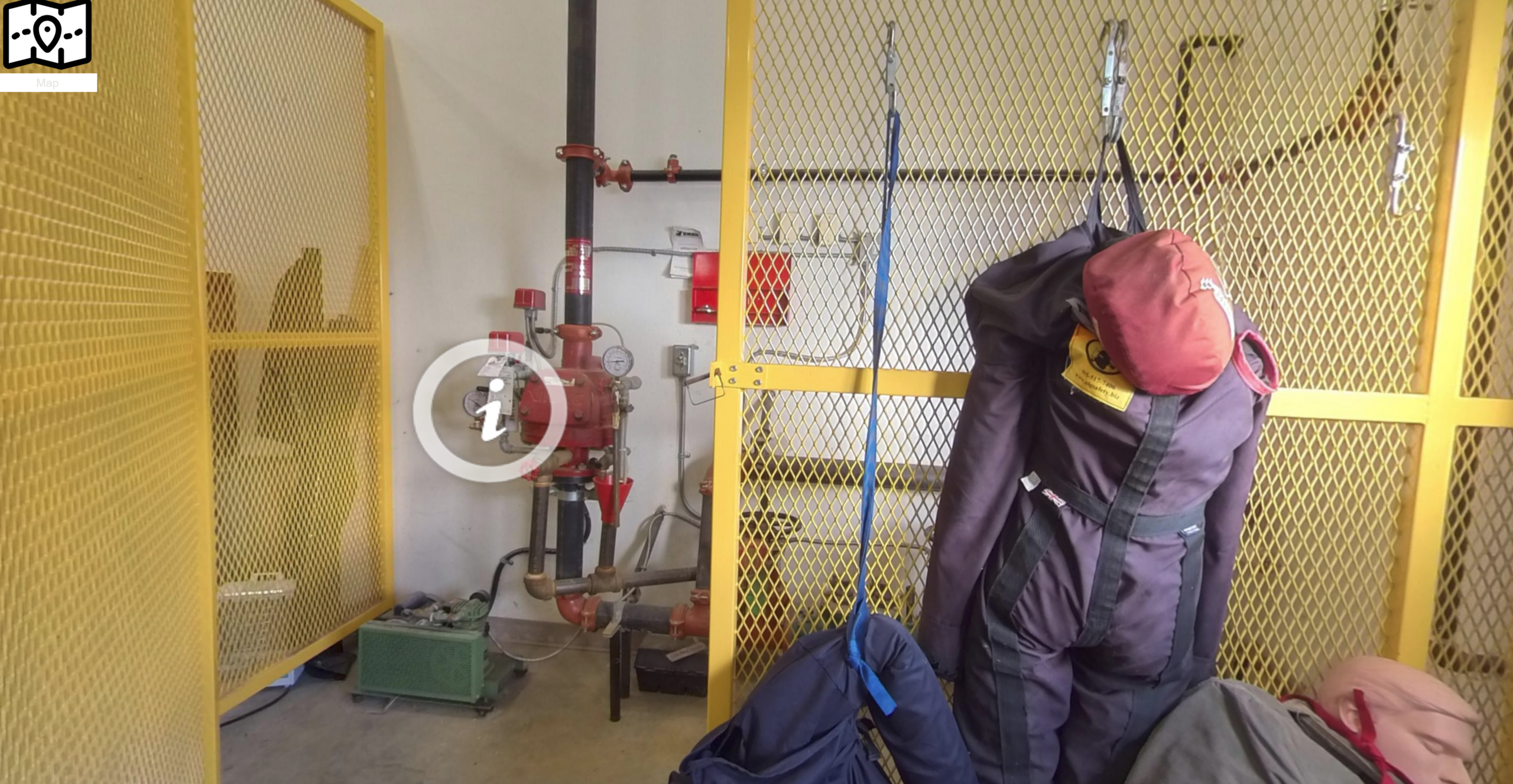
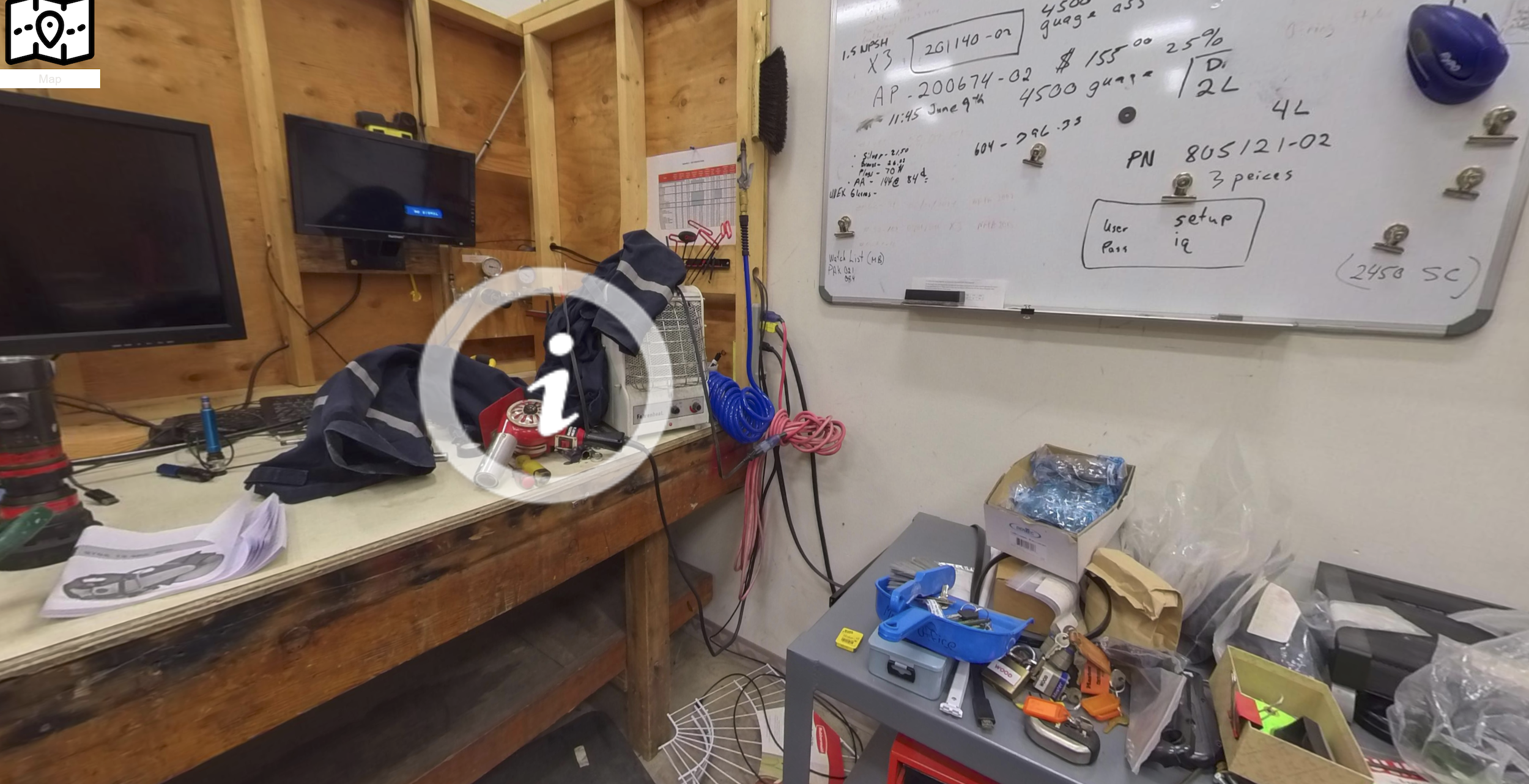
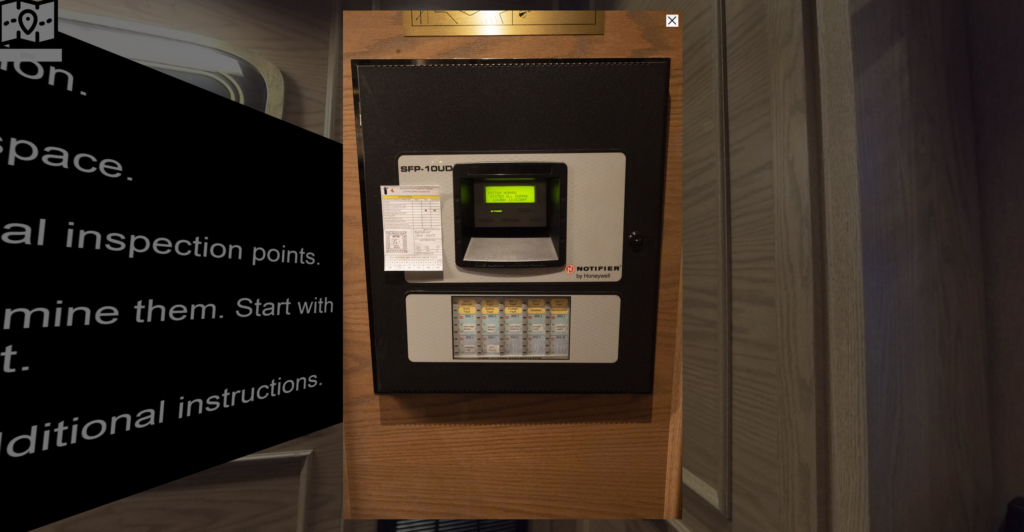
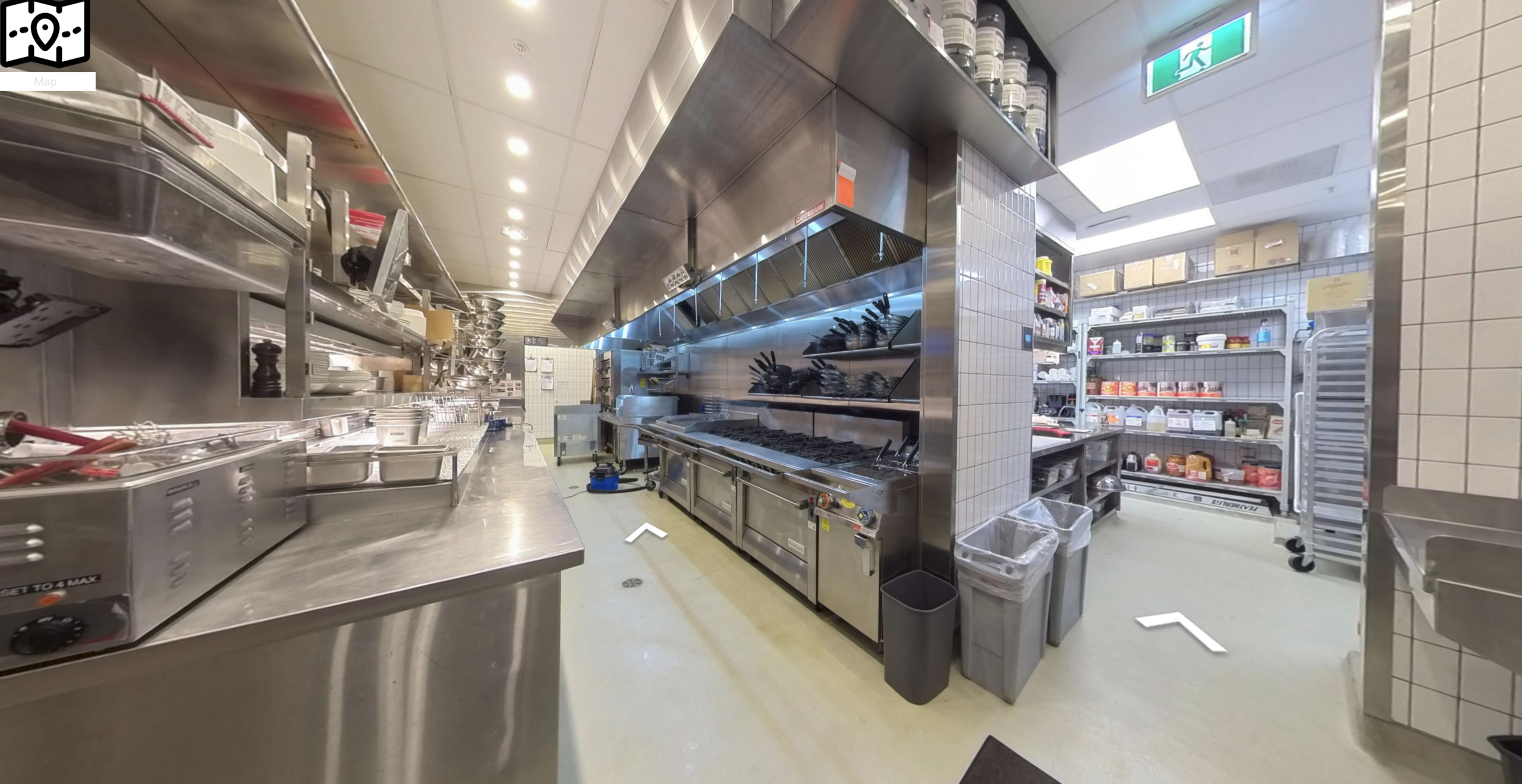
The primary goals of this project were to provide accessible and authentic fire inspection practicum experiences, develop students’ ability to identify and assess code deficiencies, ensure consistent learning opportunities across all learners, and explore the use of virtual simulation as an innovative approach to fire service education. Through realistic video-based inspections with staged deficiencies, students gain practical experience and build confidence in applying fire inspection principles in a safe and controlled environment.
The innovation of this project is the conversion of a traditionally field-based practicum into a realistic virtual inspection experience. Through video simulations with intentionally staged deficiencies, students engage in authentic inspection activities, developing critical observation and decision-making skills while overcoming the logistical challenges of accessing inspectors and inspection sites. This scalable and equitable approach provides a sustainable model for practical fire inspection training.
Challenges included maintaining the anonymity of participating facilities, securing site access and permissions, coordinating schedules across multiple stakeholders, and managing travel logistics. Filming took place at three different sites over three days, requiring careful planning and coordination. We also needed to create and stage realistic fire code deficiencies and design authentic inspection scenarios that would provide a meaningful learning experience for students.
One of the key lessons learned was the importance of early planning and coordination when arranging facility access, filming schedules, and travel logistics. We found that using detailed scripts improved consistency and made filming more efficient, while the experience also highlighted the importance of staging and production planning. As our expertise is in fire inspection rather than filmmaking, we learned that realistic scenarios, visual cues, and camera setup are critical to creating an effective learning experience. In hindsight, developing multiple versions of the inspection videos would have been beneficial, allowing different cohorts to work with different scenarios and enabling instructors to assign and assess alternate versions rather than relying on a single simulation. Filming at active facilities also presented unexpected challenges, including important site visits, background noise, and even a busy catering company operating nearby during recording. We also learned that being on camera can be challenging for everyone without presentation training. Overall, the project demonstrated the value of virtual simulations while identifying opportunities to enhance realism, flexibility, and learner engagement in future iterations.
360 Tour
N/A